Building a Photo Essay, One Frame at a Time

5 min read0 comments
A photo essay is a story told mainly in pictures, with words in a supporting role. It sits somewhere between a gallery and an article. Done well, it can say things a written post struggles to: what a place felt like at a certain hour, how a craft is practised by hand, how a street changes over a single day. Done less well, it becomes a pile of nice photos with a title on top.
The difference is almost never the camera. It is the planning, the editing and the willingness to leave good pictures out. Here is how we would go about building one, from first idea to finished post.
Find a subject with change in it
The strongest photo essays have something that moves. Not necessarily physically, but in the sense that the end is different from the beginning. A few shapes that tend to work:
- A process. Raw clay to finished bowl. A field before planting and after harvest. A wall stripped, primed and painted.
- A span of time. A market from the first delivery at four in the morning to the sweeping-up after noon. One window, photographed every season.
- A journey. Not the highlights of a trip, but the route itself: leaving, the in-between, arriving.
- A person at work. One baker, tailor or fisherman, followed closely, with their permission, through a working day.
A subject without change, such as “beautiful doors of my neighbourhood”, can still make a lovely collection. It is simply harder to turn into an essay, because there is nothing pulling the reader from one frame to the next. If that is your subject, look for a thread to hang it on: the doors from oldest to newest, or the doors of one street from end to end.
Shoot more than you need, in a few kinds of frame
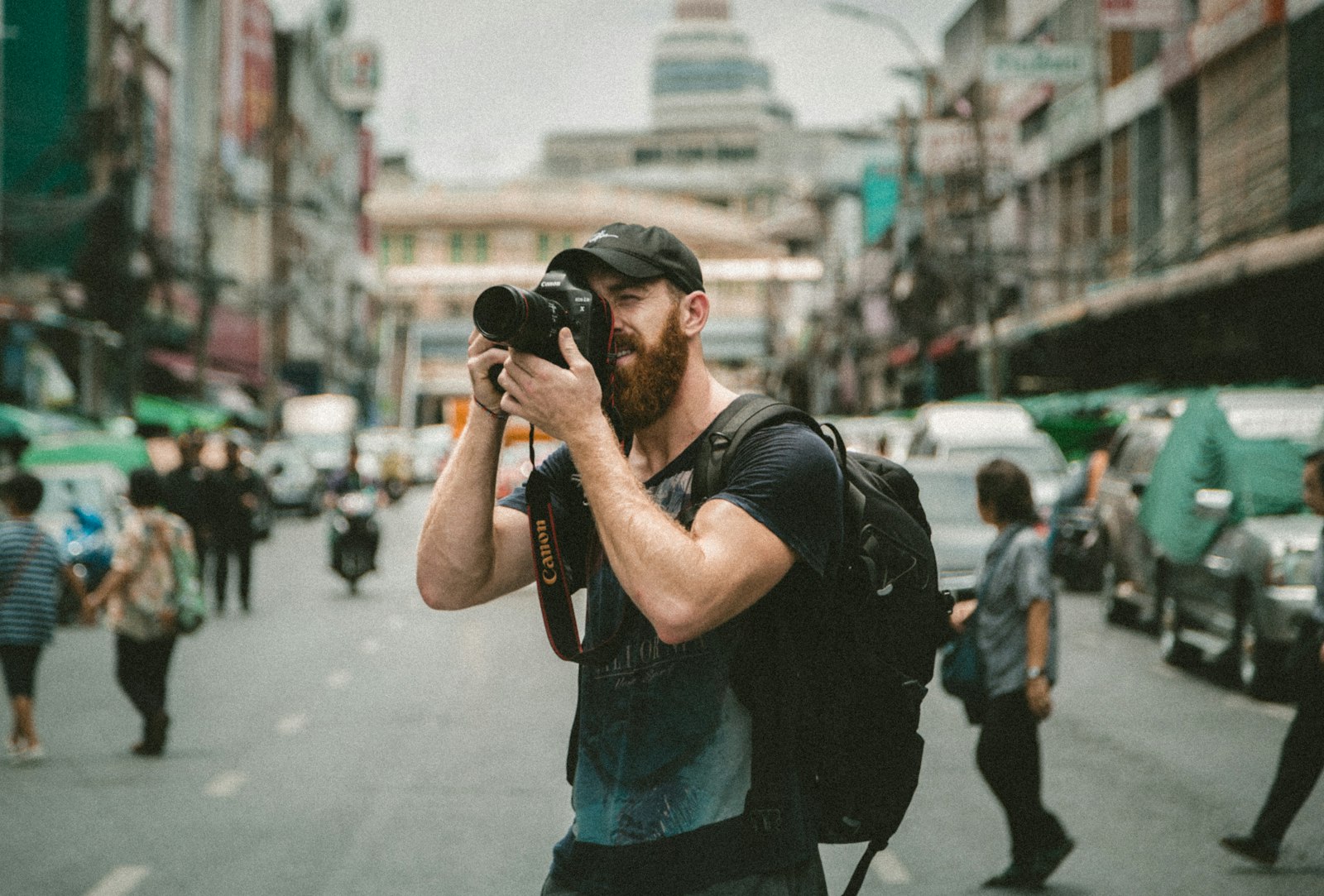
When you are photographing for an essay rather than for single pictures, it helps to think in categories. A common approach, borrowed from documentary habits and offered here as a starting point, is to make sure you come home with each of these:
- An establishing shot that shows where we are.
- Medium shots of people or things doing something.
- Close details: hands, textures, tools, small objects that carry meaning.
- A portrait, if there are people in the story, with their consent.
- A moment of interaction between people, or between a person and the place.
- A closing image that feels like an ending: a door shutting, lights going off, an empty chair.
You will not use all of them. Having the variety means you can build rhythm later instead of placing six similar medium shots in a row.
Edit ruthlessly
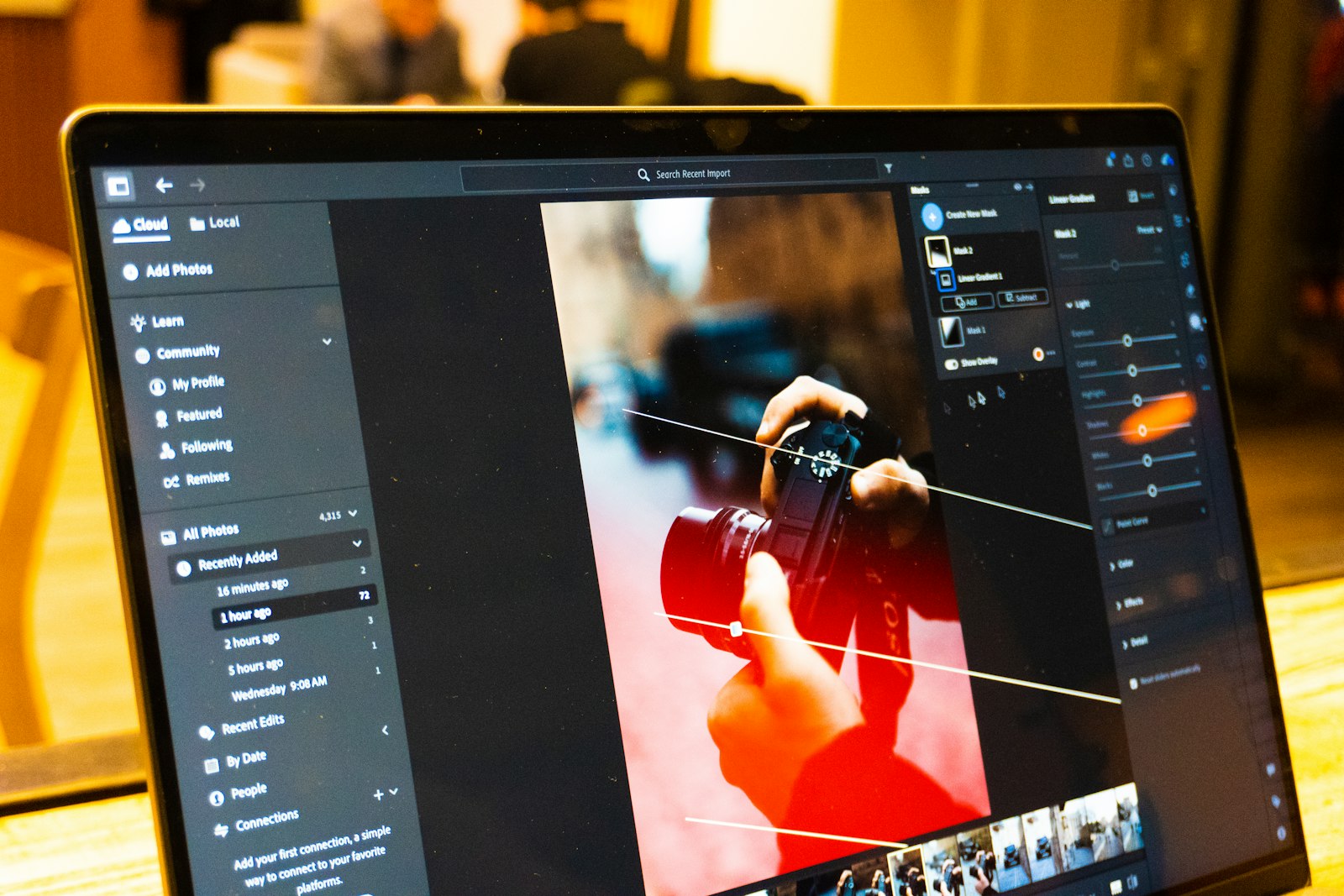
This is the hard part. Lay out every candidate, on screen or as small prints on a table, and start removing. A few questions help:
- Does this frame tell the reader something the others do not?
- If two frames say the same thing, which says it more clearly?
- Would anyone notice if this one were gone?
Be especially wary of the photo you love because of how hard it was to take. Readers cannot see the climb, the early start or the rain. They only see the picture, and it has to earn its place like any other.
There is no ideal number of images, but in our view most personal photo essays are stronger with fewer frames than their authors first expect. A tight set where each picture matters will usually hold attention better than a long scroll where many feel interchangeable.
Give the words a clear job
In a photo essay, text supports the pictures rather than competing with them. That does not mean it should be thin. It means each piece of writing should do something specific.
- An opening paragraph that sets up the story: who, where and why you were there. Keep it short enough that readers reach the first picture quickly.
- Captions that add what the frame cannot show, rather than describing what is plainly visible. Our note on captions that add something goes into this in detail.
- Short passages between groups of images where the story needs a turn: a change of time, a change of place, a surprise.
- A closing paragraph that tells readers what you took away, or what happened after the last picture.
Because some readers will meet the essay through a screen reader or with images switched off, every picture should also have a description. It is worth reading our guide to writing alt text that helps before you publish, since in a photo essay the descriptions carry more of the story than usual.
Put it together on the page
On PicaLook, photos can be placed between paragraphs with a caption, and they load gently as readers scroll, as the features page describes. That suits a photo essay well: the reader moves down the page at their own pace, and each picture arrives in turn.
A few layout habits that help on a scrolling page:
- Choose the cover last. Once the sequence is set, pick the frame that best sums up the whole, not necessarily the first one. Cropped into a small tile, it is the face of the essay.
- Use subheadings for chapters. If the essay has clear parts, such as morning, noon and evening, a short heading for each gives readers a map. Longer posts also get a table of contents here, which helps people find their way back.
- Think about phones. Many readers will see your essay on a small screen, one picture at a time. Vertical and square frames fill that space well; very wide panoramas can look tiny.
Respect the people in your pictures
Photo essays often feature real people, and that brings responsibility. Ask before you photograph someone closely, and ask again before you publish, especially for portraits, children or anyone in a vulnerable situation. The guidelines say it well: if you would feel uncomfortable showing a post to the people in it, think twice before you publish it.
Handled with that care, a photo essay is one of the most rewarding things you can make for a visual blog. It asks readers to slow down and look, and if you have edited honestly, it gives them something worth looking at.

Comments 0
No comments yet. Be the first to share a thought on this story.
Leave a comment
Comments are reviewed before they appear.