Returning to One Subject Through the Seasons

6 min read0 comments
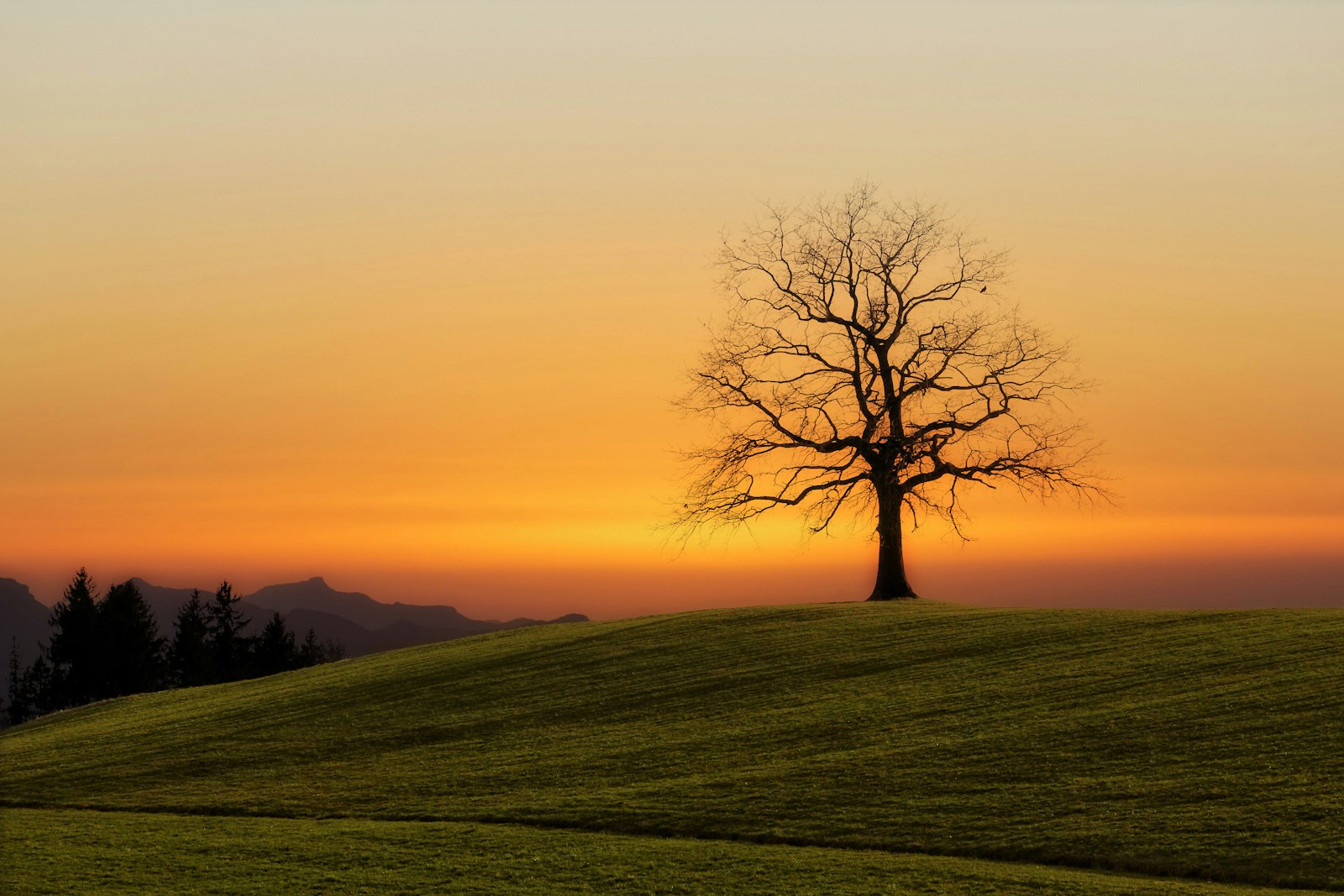
A camphor tree stands at the corner of the park I walk through on my way to the shops. In January its bare branches look like a pencil drawing on grey paper. In April the first new leaves are the pale green of an unripe apple. By August the canopy is so dense that the pavement underneath looks ten degrees darker than the road. In November the leaves have gone copper and the pavement is littered with them. One tree, four pictures, the whole year.
Returning to a single subject across the seasons is one of the kindest projects a writer-photographer can give themselves. You do not need to travel, you do not need new gear, and every visit teaches you something about the last one. The hard parts are easy to name: picking a subject you can actually come back to, carrying the same intentions from one shoot to the next, and sequencing a set that works for readers who only read captions. This note is about those three.
Why One Subject Rewards Four Visits
A single-subject series does something a one-off photo essay cannot: it gives the reader a constant to measure the change against. When everything in the frame is new, we read it as a new scene. When the frame itself is familiar, we start noticing weather, light, the angle of shadows, who is passing through. The subject becomes a backdrop and the season becomes the story.
It is also a project that fits into an ordinary life. A four-visit series takes about a year and ten minutes at a time. You can shoot it with a phone, you can shoot it between errands, and you can publish it all at once when the fourth frame is in. For a blog that updates in fits and starts, a planned slow post can be more satisfying to put together than another rushed one.
Pick a Subject You Will Actually Come Back To
Ambition is the enemy here. The lone tree on the hillside an hour’s drive away sounds romantic in January and looks impossible in July when the car will not start. Pick something you pass most weeks anyway: the tree outside your office, the kitchen window, the corner where two streets meet, the bench at the end of your street.
A few questions help:
- Will it still be there in a year? Mature trees, buildings and civic furniture are safer bets than shop fronts or anything decorated for one season only.
- Does it change visibly? A brick wall barely does. A deciduous tree, a vegetable patch or a riverbank will show you four very different pictures.
- Can you always get the same frame? If the view is blocked by parked cars half the time, you will give up by June.
Once you have picked it, put a small reminder in your calendar for the first week of each season. The nagging is the project.
Carry the Same Shoot From Each Visit
The series lives or dies by consistency. The simplest way to keep it is to write yourself a one-page shoot sheet on the first visit and follow it on the other three. Ours covers five things:
- The frame. Stand in the same spot, point the camera at the same angle. A quick photo of your own feet on the pavement helps you find the position again next time.
- The lens. If your first visit was with a phone at its default wide, the second should be too. Zooming in halfway on the third frame will quietly ruin the set.
- The time of day. Light at nine in the morning and light at four in the afternoon will do more to make the pictures look different than the season itself.
- The weather note. Not a dramatic one. “Dry, overcast, no wind” in a notebook is enough to pair with the right picture later, and it stops you from guessing six months on.
- One supporting frame. A close-up of a leaf, the ground under the tree, a sign nearby. These are the pictures that save the project when the main frame has nothing new to say.
Our note on planning a shot list before a visual post goes deeper into writing one and keeping it short enough to actually use on the day.
Sequence the Set So the Story Lands
You will finish the year with four main frames and perhaps a handful of supporting ones. The temptation is to run them in calendar order: winter, spring, summer, autumn. That works, but it is not the only choice, and often it is not the best one.
Three sequences worth trying before you commit:
- Calendar order. Honest and easy to follow. Good when the change itself is the point, especially if you started in winter and want the final frame to be full summer.
- Bare to full and back. Winter, spring, autumn, summer puts the quietest frame first and the loudest in the middle. The reader arrives at a lull, builds to a peak and comes down softly.
- Matched pairs. Winter next to summer, spring next to autumn. The pairings let the reader see the change in a single glance instead of waiting for it.
Lay out the four frames on a table or drag them around a document before you post. Swap two and see what happens to the ending. The sequence is doing more of the work than any one picture, which is also the subject of our note on sequencing images so a post reads like a story.
Introduce the Set and Write Captions That Stand Alone
A seasonal set earns a short opening more than a long one. Say the subject and the span in two or three sentences, and resist the urge to tell the reader what they are about to see. “I took this picture of the same camphor tree once a season for a year” tells them exactly enough.
Then write captions that would still make sense if someone only read the captions. A reader on a phone, or a reader using a screen reader, will often scroll the pictures and read what is pinned to them without pausing on the body text. If the captions together do not carry the story, the post only works for one kind of reader.
A caption that stands alone usually does three small things at once: it names when the picture was taken, it points at one thing worth noticing, and it leaves the next picture something to say. “Early February, two weeks after a hard frost. The branches look thinner than they are because the low sun has drawn their shadows out across the grass.” The next caption can begin with the first leaves without repeating what came before.
Alt text is doing a different job from a caption. It describes what is visible for readers who cannot see the picture at all, without the writerly flourishes. Keep it plain and specific: “A bare camphor tree on a grassy slope at sunrise, long shadows stretching to the left.” Our posting rules go into the small print of credit and permissions if your subject stands on someone else’s property. If it does, ask once at the start of the year rather than four times.
Four visits, one subject, a short opening and captions that carry their weight. It is not a demanding project, and the finished post is one of the few you will still want to reread next year. Which is reason enough to start it on your next walk home.



Comments 0
Quiet so far. Tell the writer what this story made you see.
Add your view
A moderator looks at each comment before it is shown.