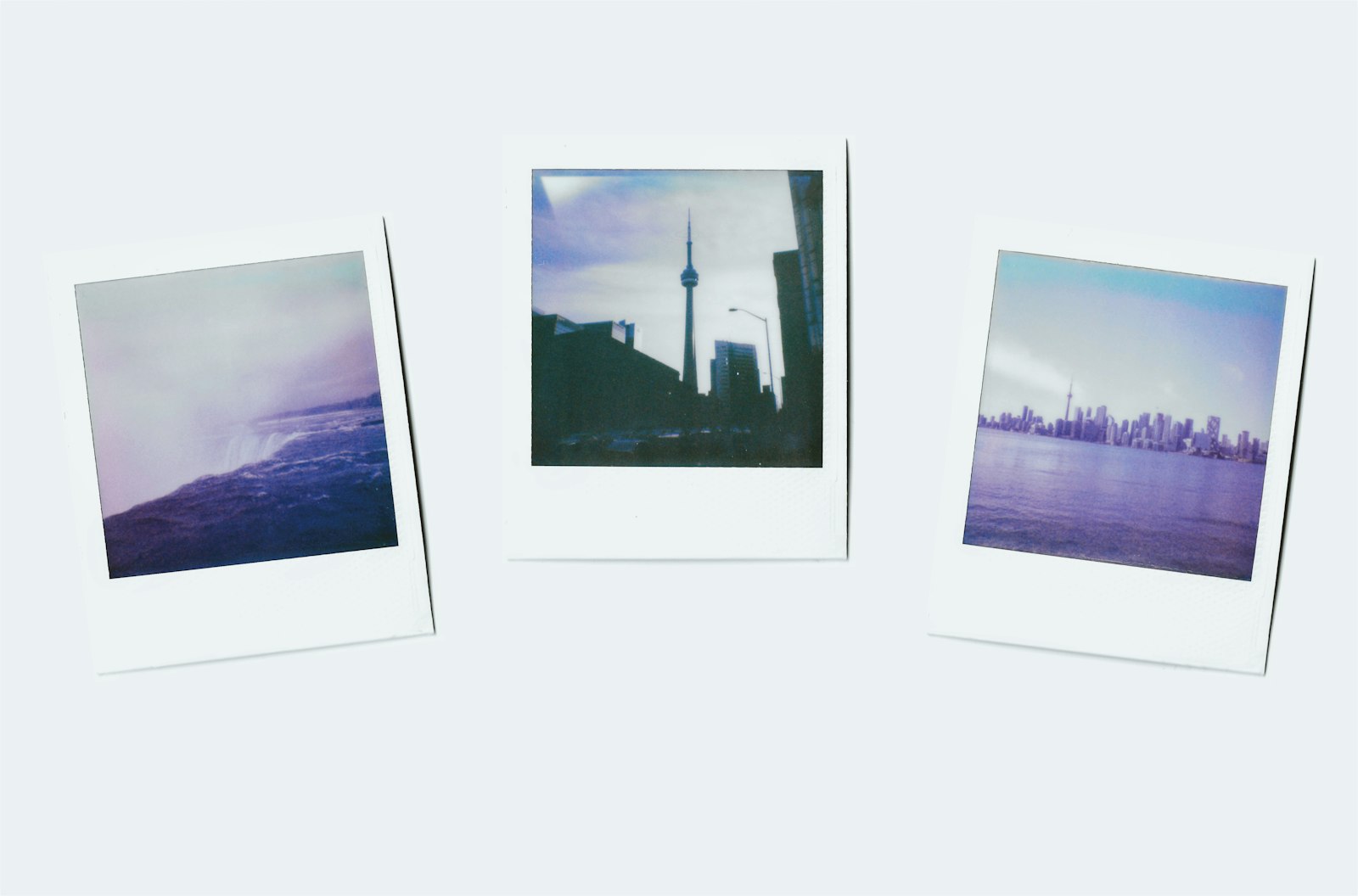
Telling a Whole Story With Only Three Photos

6 min read0 comments
A kitchen chair with a snapped leg sits on the back step. In the next picture, two hands are tightening a clamp around fresh glue. In the last, someone is sitting on that chair with a cup of tea, feet up, not thinking about it at all. You have just read a story with a problem, some effort and a happy ending, and it took about four seconds.
Not every idea deserves a full photo essay. Plenty of small stories get weaker when they are stretched across twenty frames, and many of us never publish them at all because a big post feels like too much work. Three pictures can be the whole post, and working to that limit will teach you a lot about what your photos are doing.
Why three is such a useful number
One picture shows a moment. Two pictures invite a comparison: then and now, this and that. Three is where a reader starts to feel time passing, because there is a beginning, a middle and an end to hold on to. A fourth or fifth frame can be lovely, but it also gives you somewhere to hide. With three there is no room for a filler shot, so you find out quickly whether you have a story.
The limit is also kind to the person making the post. You are not trying to cover a whole day, only to find three moments that lean on each other. That is a job you can finish on a weeknight, which may be the best argument for it.
Give each frame one job
The simplest way to plan a three-photo story is to decide what each picture has to say, in a few plain words:
- The setup: here is how things stood. This frame puts the reader somewhere and hints that something is about to happen. The broken chair on the step does both.
- The turn: here is what changed. Something is being done, or something goes wrong, or someone arrives. The clamp and the glue are the turn.
- The result: here is how things stand now. The new situation, and ideally a small feeling to go with it. The person with the tea has stopped thinking about the chair, and that is why the ending works.
Try writing those three lines before you look through your camera roll. If you cannot fill in the middle one, you may have a nice pair of pictures and no story yet.
Find the middle picture first
Most of us reach for the opening or the ending, because those are the attractive frames. The middle is usually the plainest of the three, and it carries the most weight. Without it, the first and last pictures are only a before and an after, and the reader has to take your word for what happened in between.
A quick test: put your three pictures side by side and cover the middle one. Could a stranger guess exactly what it shows? If so, it may be too obvious, and a less expected frame could do more. A hand reaching for the wrong tool, a pause to read the instructions or a tape measure on the floor will often say more about the effort than the tidy shot of the work in progress.
This is also a faster way to edit a big set: pick the turn, then look for the frames that lead into it and away from it. Our guide to building a photo essay goes further into cutting pictures down.
Leave gaps for the reader
A common mistake is choosing three frames that are too close together. Three shots from the same five minutes, at the same distance, read as one moment photographed three times. The story starts to move when there is a jump between pictures and the reader has to fill it in for themselves.
Picture a walk up a hill. The first frame is a pair of boots at the bottom of the path, the second is a water bottle lying empty on a rock, and the third is the view from the top. Nothing shows the climb itself, yet anyone looking at those pictures will feel it. The empty bottle does the work of an hour’s walking.
So when you lay out your three, look at the spaces as well as the pictures:
- Change the distance. A wide frame, then a close one, then something in between gives each picture its own weight.
- Let time pass. Hours or even weeks between frames are fine, as long as the reader can tell it has happened.
- Keep one thing constant. The same chair, the same window or the same pair of hands gives the eye a thread to follow across the jump.
Those gaps are also where your words belong. One or two sentences between pictures can tell readers what the camera missed. Resist the urge to describe the next frame, because they are about to see it. Say what it cost, how long it took or what nobody expected.
Three shapes worth borrowing
When a story will not fit setup, turn and result, one of these might suit it better:
- Plan, reality, what you did next. The birthday cake in the recipe book, the cake that slid off its plate, the cupcakes you made instead. This one suits humour well.
- Clue, clue, answer. A muddy paw print on the stairs, a chewed slipper, a dog asleep on your pillow. The reader gets to work it out just ahead of you.
- Same place, three times. One window in spring, summer and winter. Nothing happens, and everything changes.
Whichever shape you pick, the order is doing most of the telling, so try swapping two frames to see what happens. Often the story falls apart, which tells you why the original order was right. Sometimes you get a better ending. We wrote more about this in our note on sequencing images.
Putting a three-photo story on the page
On PicaLook a post opens on a full-width cover, as the features page describes, so your cover is effectively the first thing in the sequence. Two ways of handling that tend to work:
- Use the setup as the cover. The reader sees the question first and scrolls down to find the answer. Just check that the frame survives being cropped, since the help page notes that covers also appear as squares and circles elsewhere.
- Keep the ending out of the cover. It is tempting to lead with your best frame, but if that frame is the result, you have told the story’s ending before the reader has met the beginning.
Alt text matters even more in a post this short. Each description carries a third of the story for anyone who cannot see the images, so write them to be read in order, and check that they still make sense as a tiny narrative of their own. And since each frame gets so much attention, check the posting rules too: share only photos you took or have permission to use.
The easiest way to try all this is on something small that happened this week: a repair, a meal that went wrong, a plant that finally flowered. Find the turn, choose what comes either side of it and write a sentence for each gap. You may not need a fourth picture, and there is a good chance you will publish it tonight.
Comments 0
Quiet so far. Tell the writer what this story made you see.
Add your view
A moderator looks at each comment before it is shown.